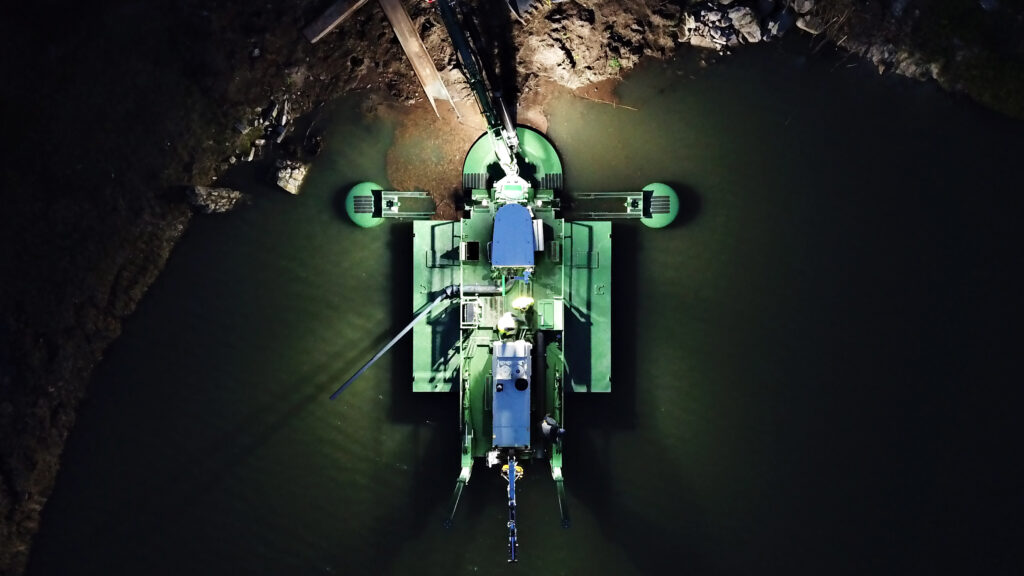
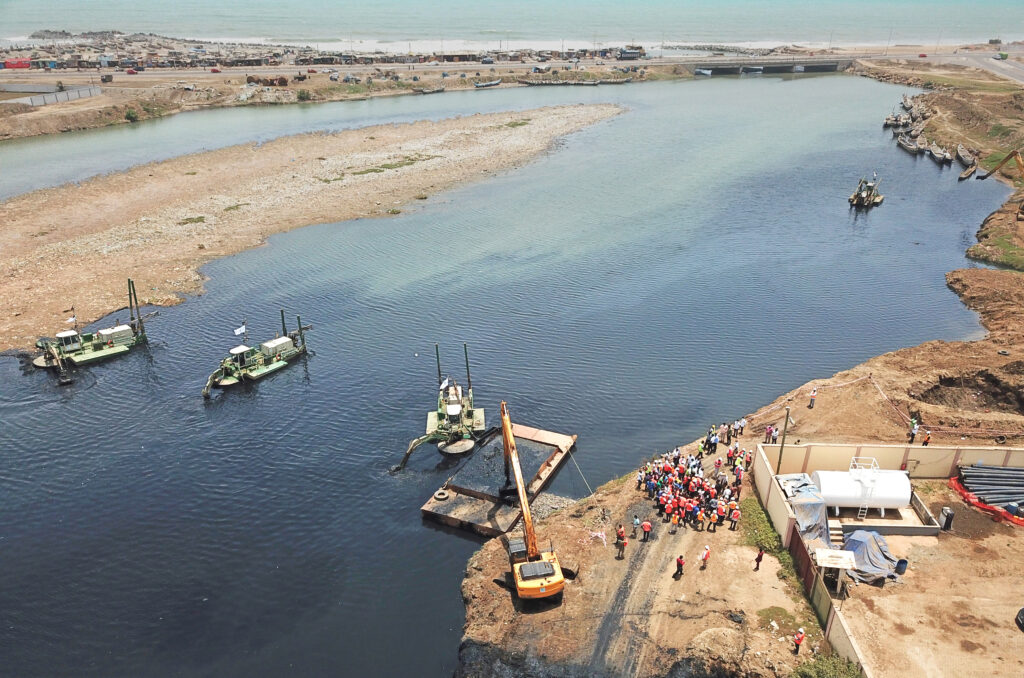
Most dredging work has focused on deep-water capital projects — ports, navigation channels and land reclamation. These projects continue, but the fastest-growing need is now in the shallow inland waters.
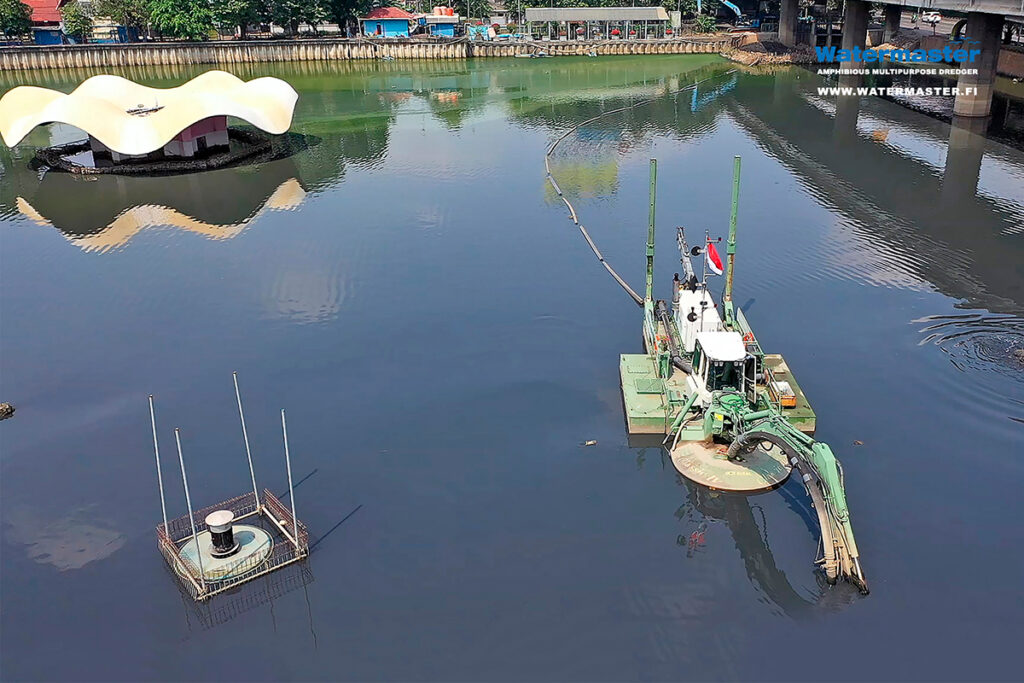
Why shallow waters now matter most
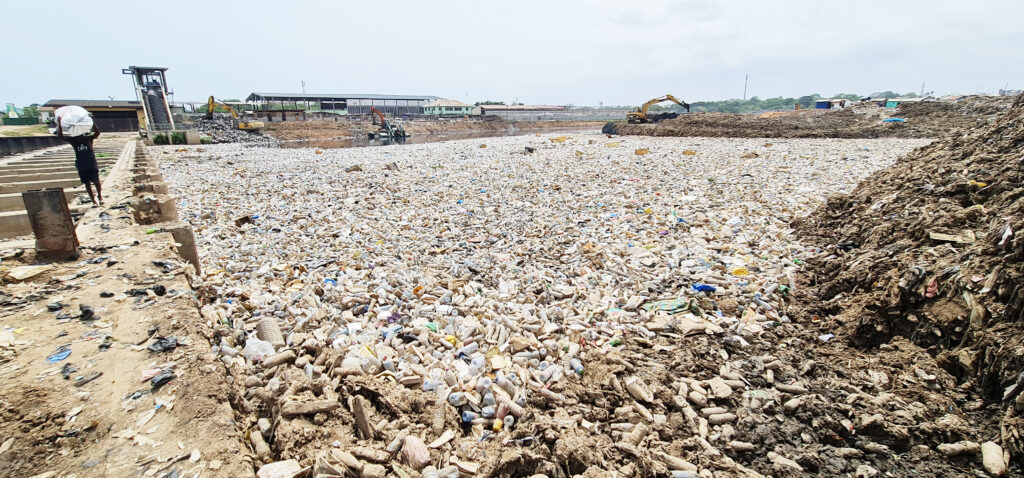
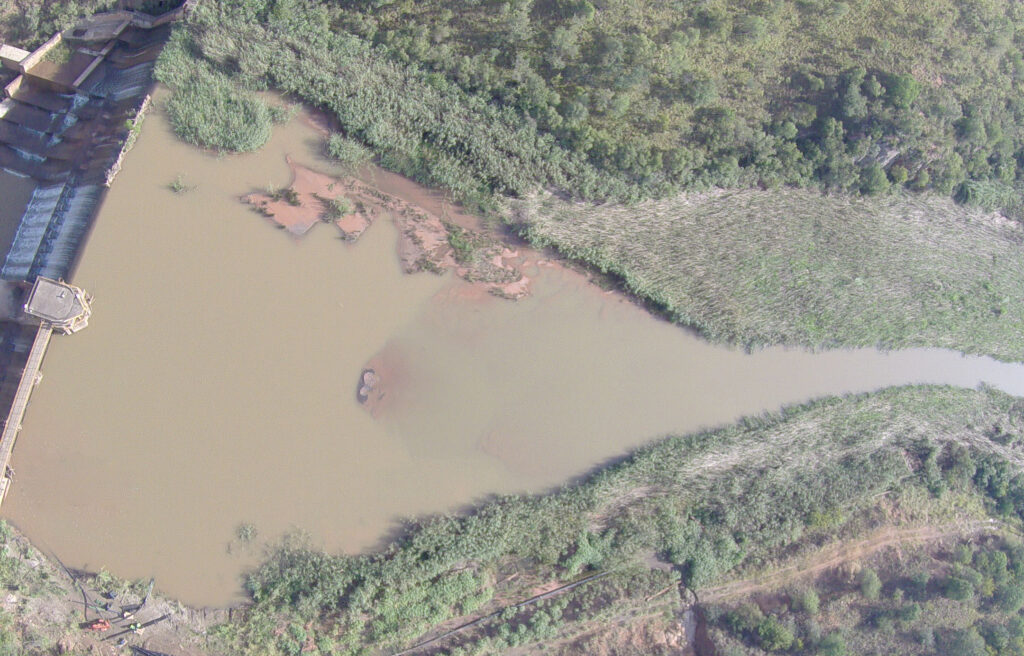
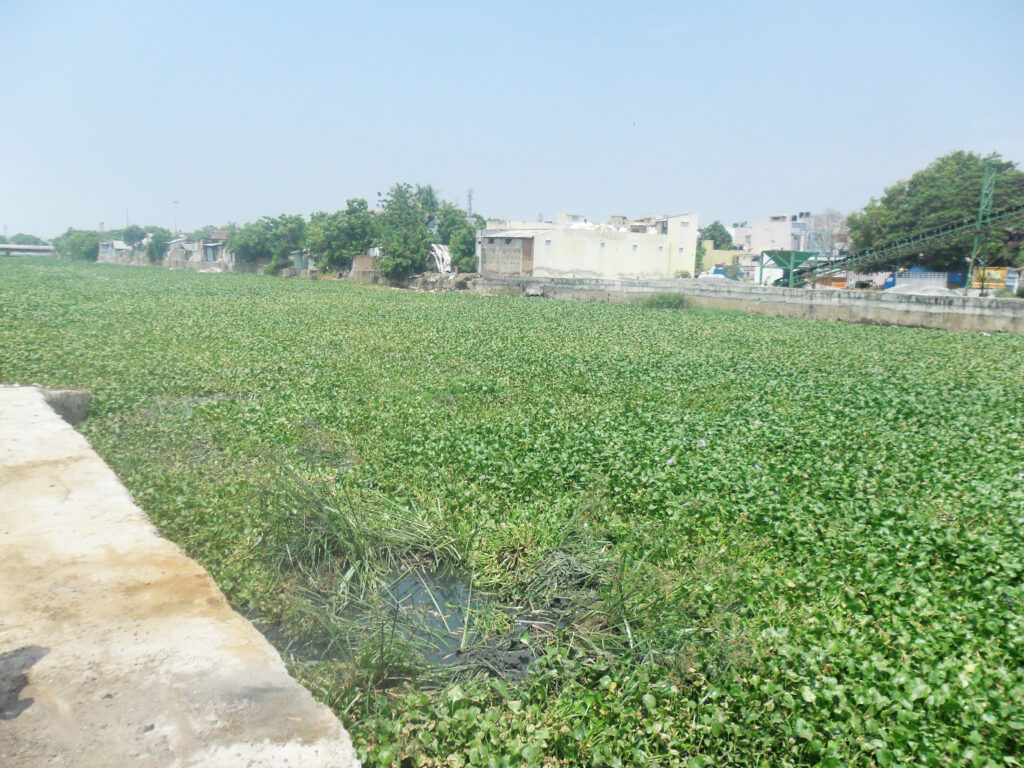
Climate change, urbanisation and growing water use are putting inland waters under heavy pressure. You have seen this in the news: floods, droughts, water pollution, invasive aquatic vegetation….
These problems appear first in rivers, lakes, canals and reservoirs because these waters lie close to cities, farms and industry. This is where most of the pollution, nutrients, and silt enter the system, and with less water volume than in deeper areas, the changes show much faster.
Much more maintenance is needed than before — and not one major project every few decades, but regular, systematic work.
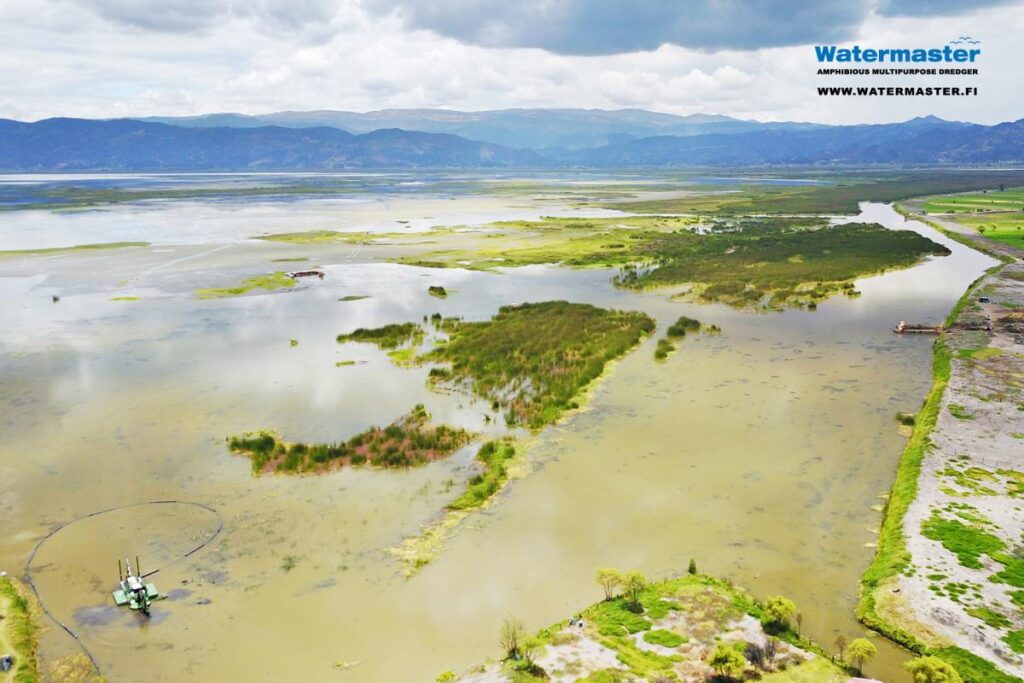
Work for big contractors, but not big vessels
Shallow water eco-dredging and maintenance is fundamentally different from deep-water capital dredging. It does not focus only on capacity. The main challenges are access, mobility and environmental control. Sites are often tight, urban, vegetated or difficult to reach. Water levels change. Equipment needs to be moved often, repositioned quickly and operated with high precision and low disturbance.
And the work is not only dredging. In many cases the first task is to remove thick invasive vegetation or obstructive trash and stones to clear access before any sediment removal can even start.
How this work is mostly done today
Maintenance of shallow inland waters is still widely carried out with land excavators placed on pontoons or used from the shoreline. These machines are built for land. In water they are slow to move, hard to stabilise and can be unsafe to operate. As the need for inland maintenance grows, this approach reaches its limits. More sites, more frequent work and higher safety expectations require modern professional equipment that is designed for these environments.
There is a better way – Watermaster
The Watermaster Eco-Dredger is made for this work. It can enter and exit the water independently, work without support vessels and perform all maintenance tasks — suction dredging, backhoe work, vegetation removal, and piling. It operates steadily and safely in tight, shallow and uneven areas where other equipment is difficult to use.
A few Watermasters can deliver the same practical output in shallow waters that a large CSD produces in deep areas — but with a far cheaper total investment, lower operational costs and a fraction of the fuel and crew. On top of that, Watermasters bring maximum mobility, agility, versatility and efficiency in the places and tasks where big dredgers simply cannot work.
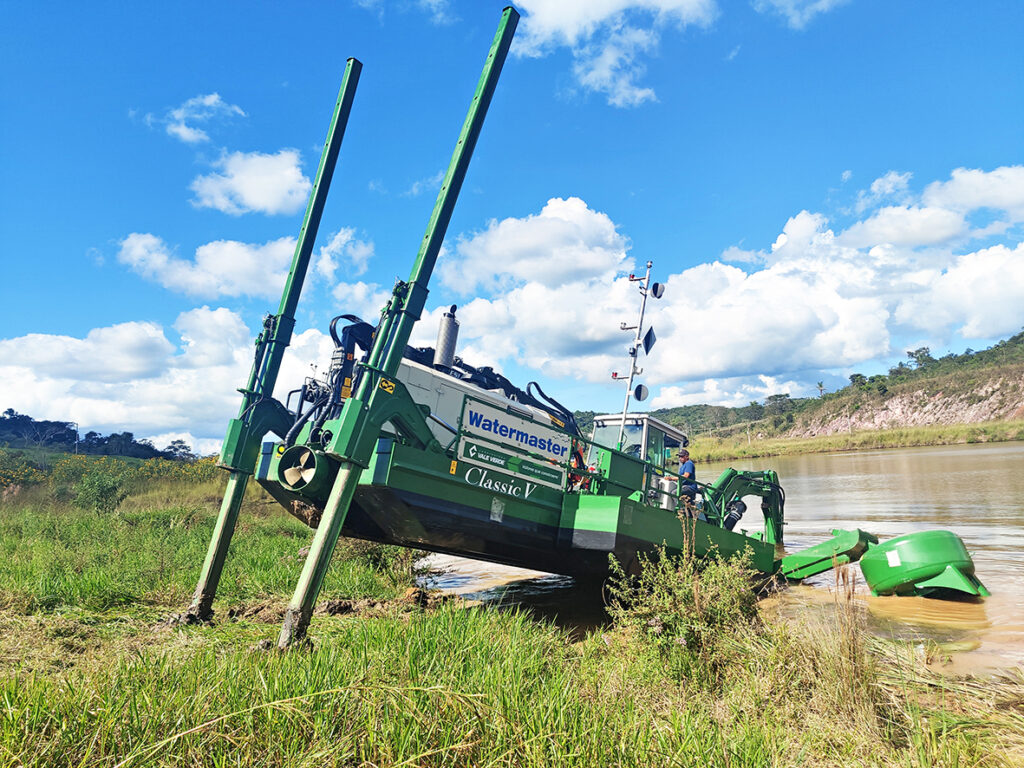
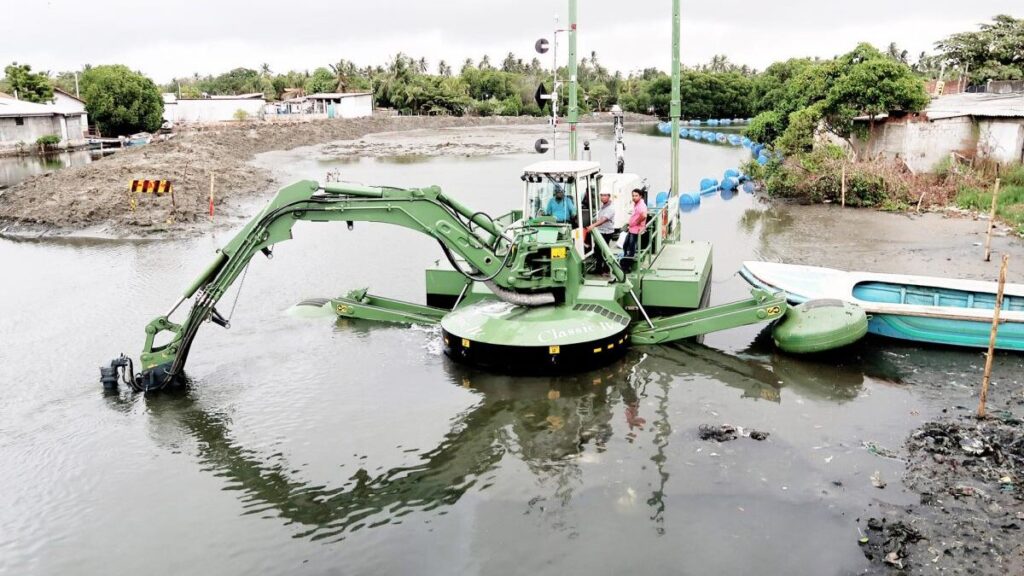
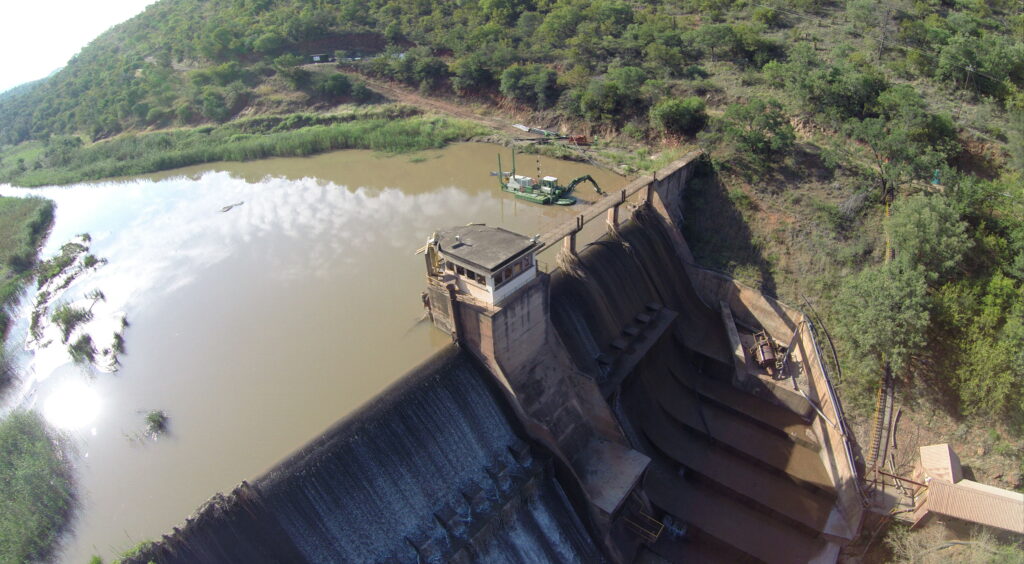
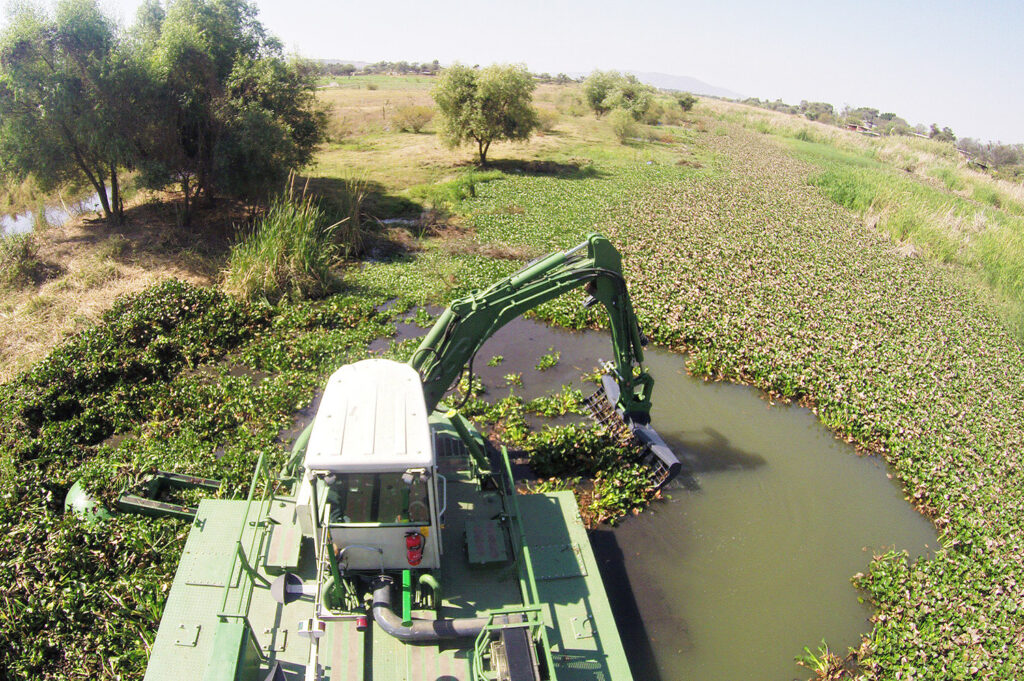
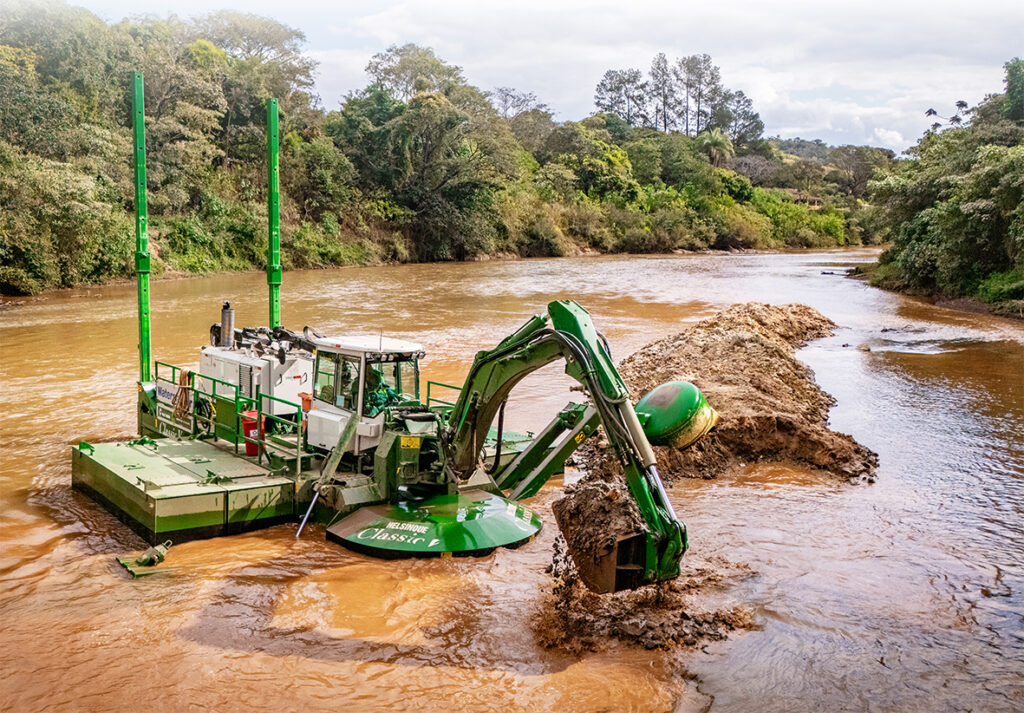
See Watermaster’s capabilities and applications
Those who build this capability now will lead the next chapter of dredging
Countries, cities and industries invest now to protect their waters better. Everyone needs water security, and the situation will improve only through active maintenance.
Contractors who can carry out this work safely and efficiently will not only meet growing demand — they will lead the development of water security, sustainability and resilience in the years ahead.
Watermaster technology gives the capability. It works where big dredgers cannot, keeps operating costs low and delivers the mobility, versatility and safety this work requires.
Are you interested in eco-dredging? Contact us:
watermaster@watermaster.fi
WhatsApp: +358 10 402 6400
or fill the contact form below — we will get back to you soon.